Why the 'Agent Stack' Is the Real Revolution
Until 2025, the bottleneck wasn't model intelligence—it was isolation. GitHub Copilot saw your code but not your logs. ChatGPT wrote SQL but couldn't see your schema. Developers became glorified data routers, manually bridging the gap. This "interoperability gap" crippled even the smartest models. They lacked the sensory input to understand the system's state. The **Model Context Protocol (MCP)** and **Agent Skills** standard have solved this, creating a universal language for tools to expose their capabilities to AI without bespoke integration.
The Shift: Why Your AI Strategy Is Stuck in 2024
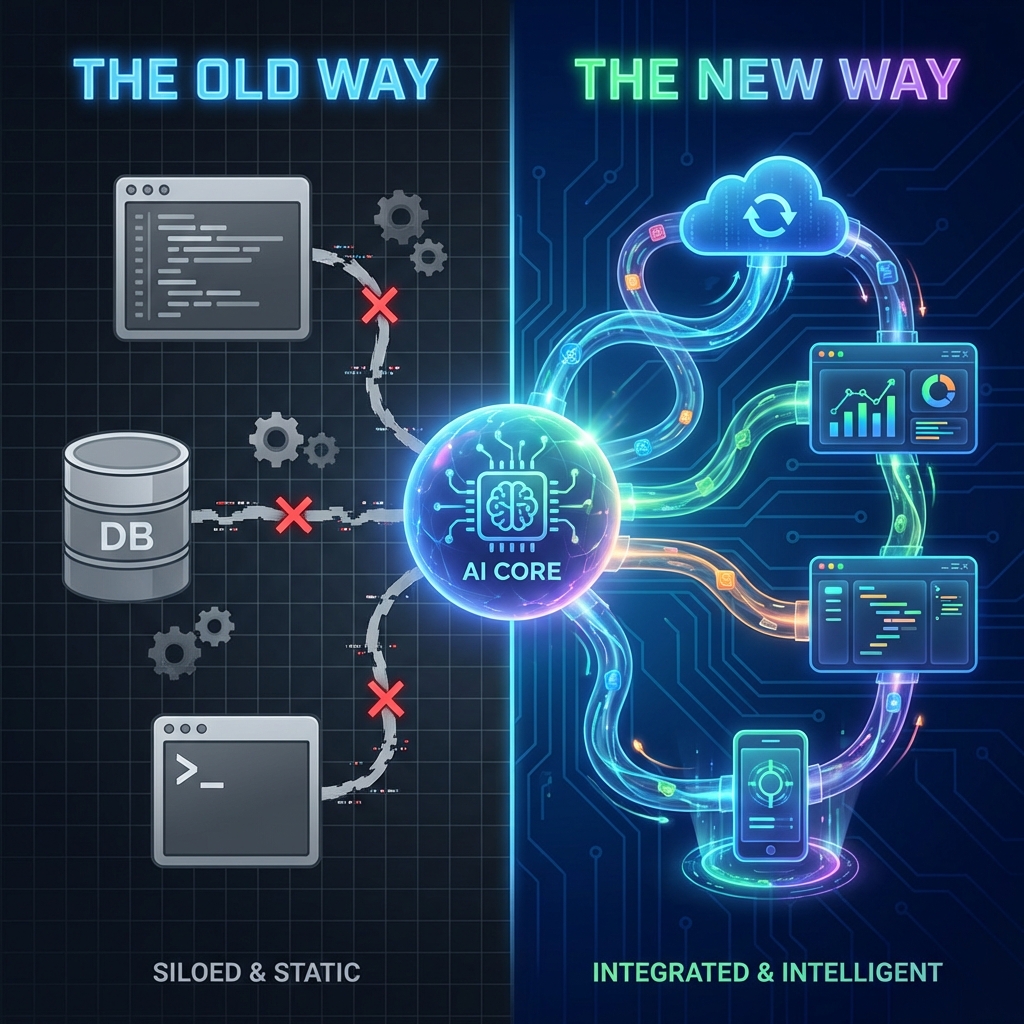
From 'Chatbot' to 'Orchestrator'
For three years, the industry has been fixated on the "chatbot"—a brilliant but isolated conversationalist trapped in a sidebar. That model is dead. The new paradigm is the **AI Orchestrator**: not a passive assistant, but an active system operator.
Real-world implementations, such as AI-powered Data Intelligence on Agentforce, are already proving that agents can handle complex enterprise workflows. Consider a finance platform built in two days. This wasn't done by copy-pasting code snippet by snippet. It was achieved by an AI that could directly manipulate files, execute terminal commands, and verify its own work. The friction is gone; the AI is a junior engineer with full agency.
The Interoperability Gap
Until 2025, the bottleneck wasn't model intelligence—it was isolation. GitHub Copilot saw your code but not your logs. ChatGPT wrote SQL but couldn't see your schema. Developers became glorified data routers, manually bridging the gap.
This "interoperability gap" crippled even the smartest models. They lacked the sensory input to understand the system's state. The Model Context Protocol (MCP) and Agent Skills standard have solved this, creating a universal language for tools to expose their capabilities to AI without bespoke integration.
The Mechanism: Deconstructing the Stack
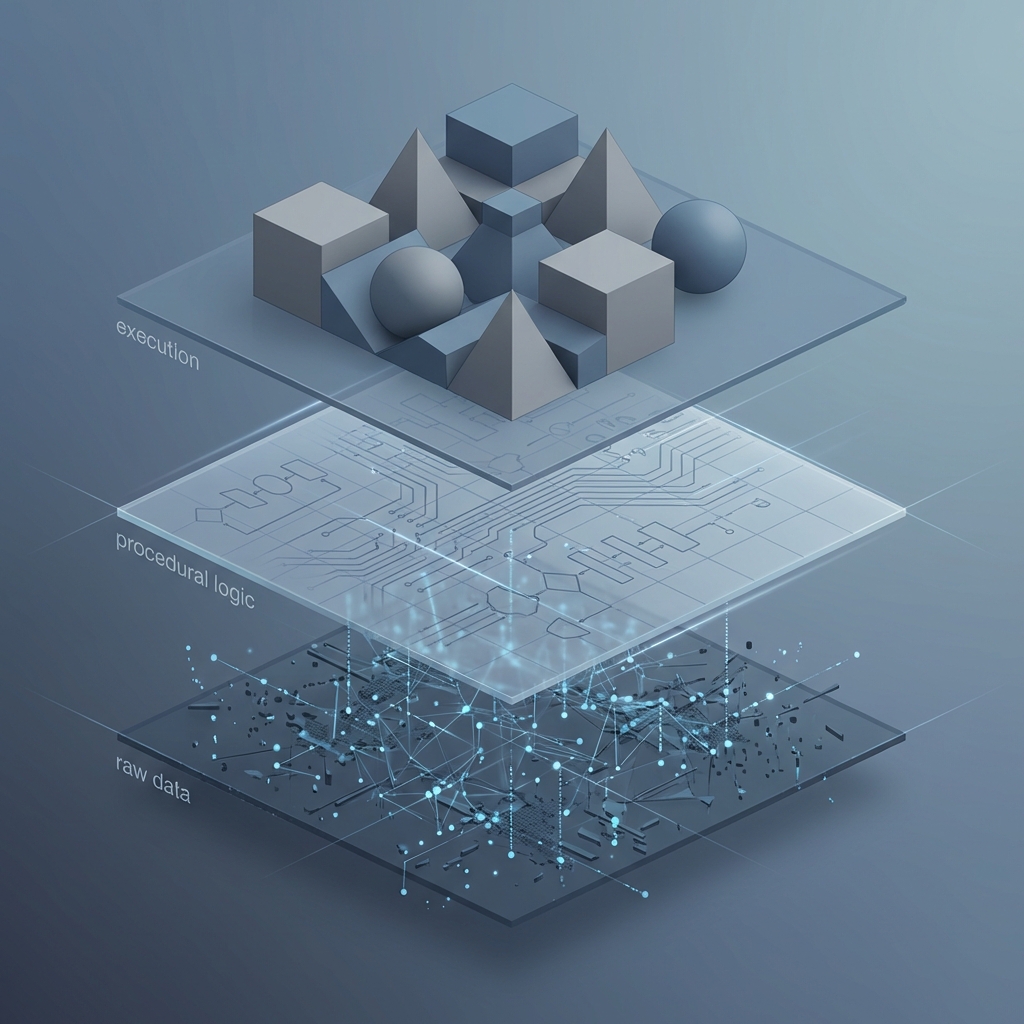
Skills vs. MCP: Knowing vs. Doing
To master this stack, distinguish between the brain and the hands:
Skills (The Brain) : Portable expertise defined in `SKILL.md`. They teach the AI how to think—structuring a Next.js app or debugging a race condition.
MCP (The Hands) : The hardware interface. It connects the model to the world—PostgreSQL, Stripe, GitHub.
For instance, Sprouts Data Intelligence leverages MCP to provide AI access to over 350M contacts, demonstrating that this isn't just for small tools—it scales to enterprise data intelligence. A "UI/UX Skill" gives the AI design intelligence; an MCP server gives it the power to deploy the site. Skills improve reasoning; MCP expands reach.
The Power of Composability
The revolution lies in composability. Plugins now bundle specific Skills and MCP servers into installable units, allowing rapid replication of complex workflows. A team lead can package an "Onboarding Plugin" with architectural patterns (Skill), wiki access (MCP), and linter configs. This ensures best practices are mechanically enforced by the agent itself.
Evidence: The Tools That Prove It

Solving Hallucination with Real-Time Truth
"Hallucination" is often just a data freshness issue. Models trained in 2023 don't know React 19. Tools like Context7 and Google's Developer Knowledge MCP solve this by injecting real-time truth.
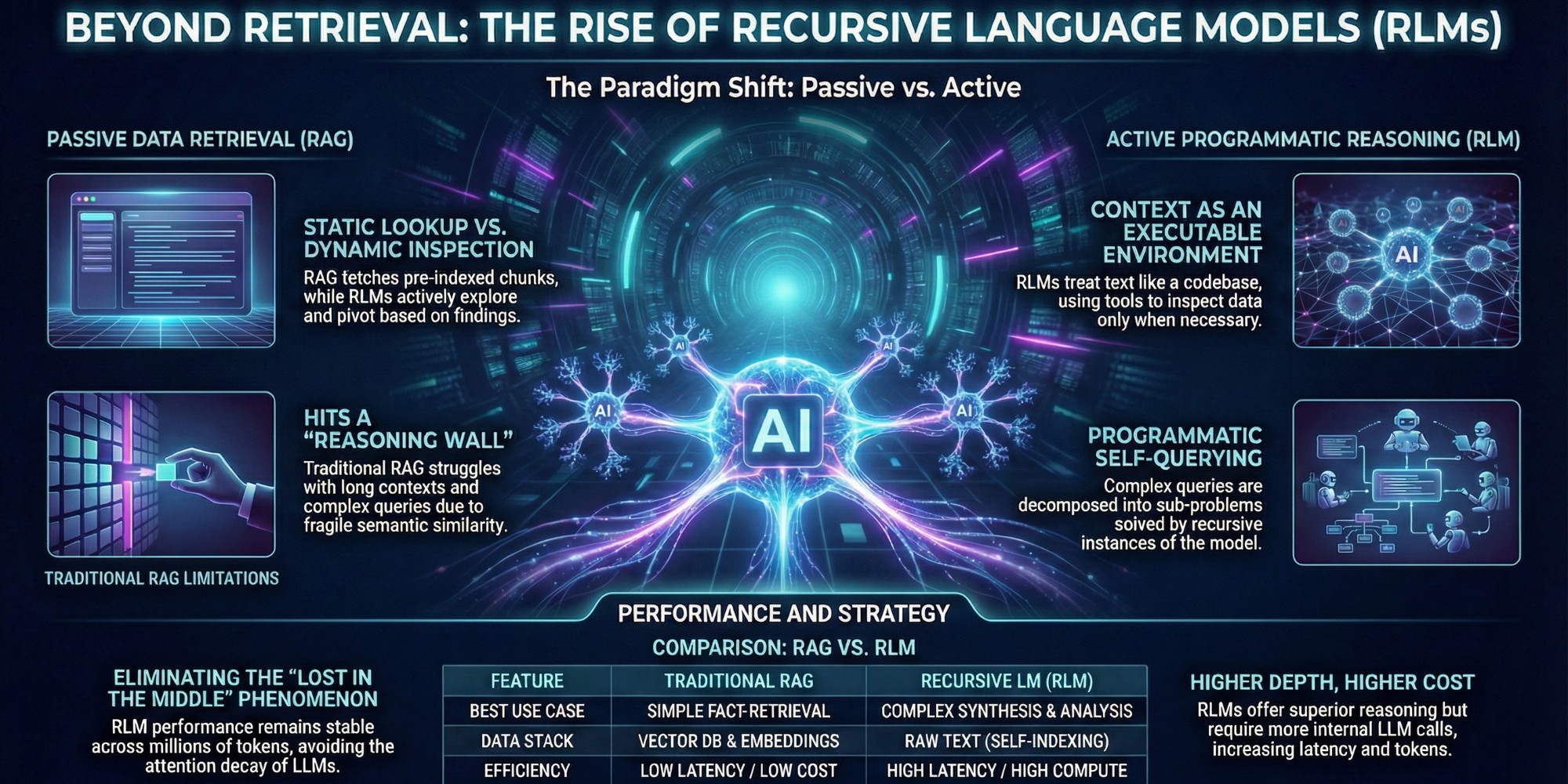
While RAG has been the standard for context, new paradigms like Recursive Language Models are emerging to solve the infinite context problem without the latency of traditional retrieval. Similarly, Google's MCP indexes 400,000 pages daily, reducing latency by 50% and boosting accuracy by 65%. The solution isn't a larger model; it's better context.
Agent Browser: The Verification Loop
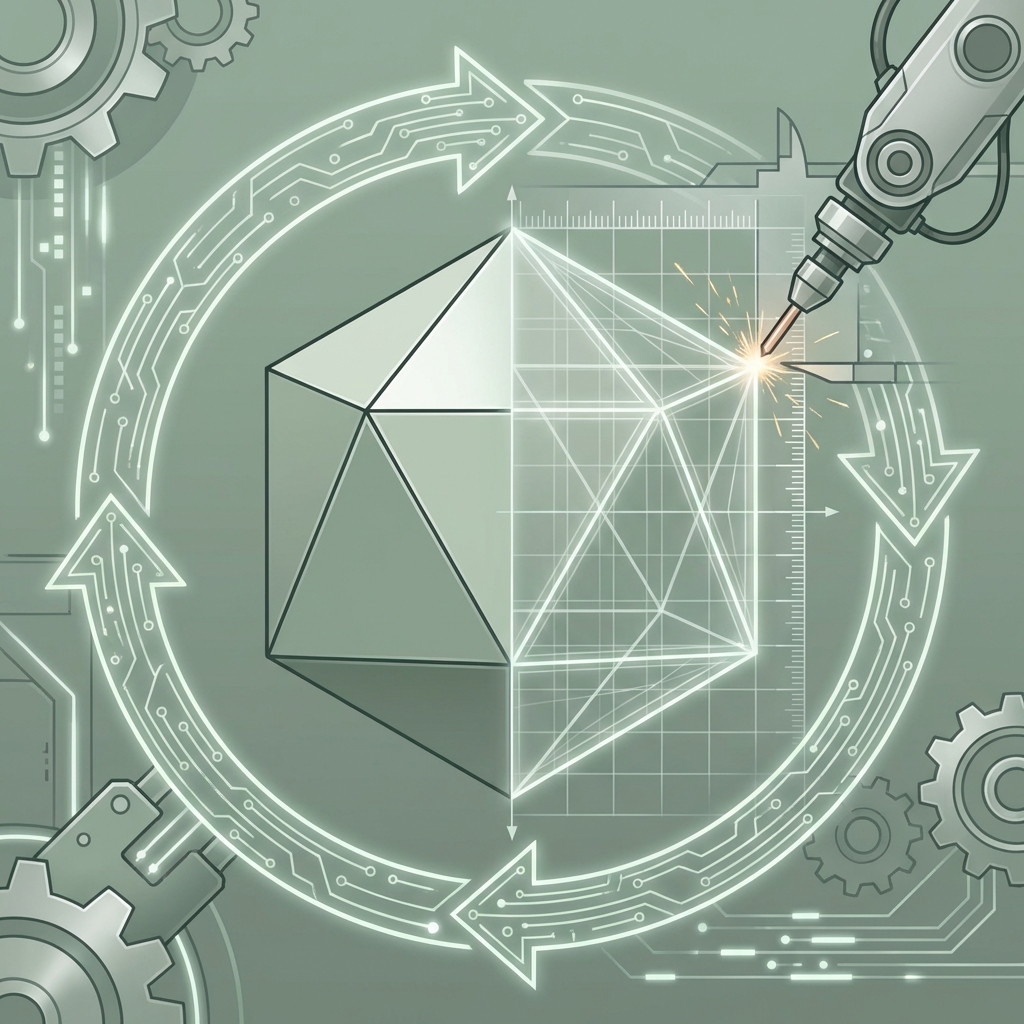
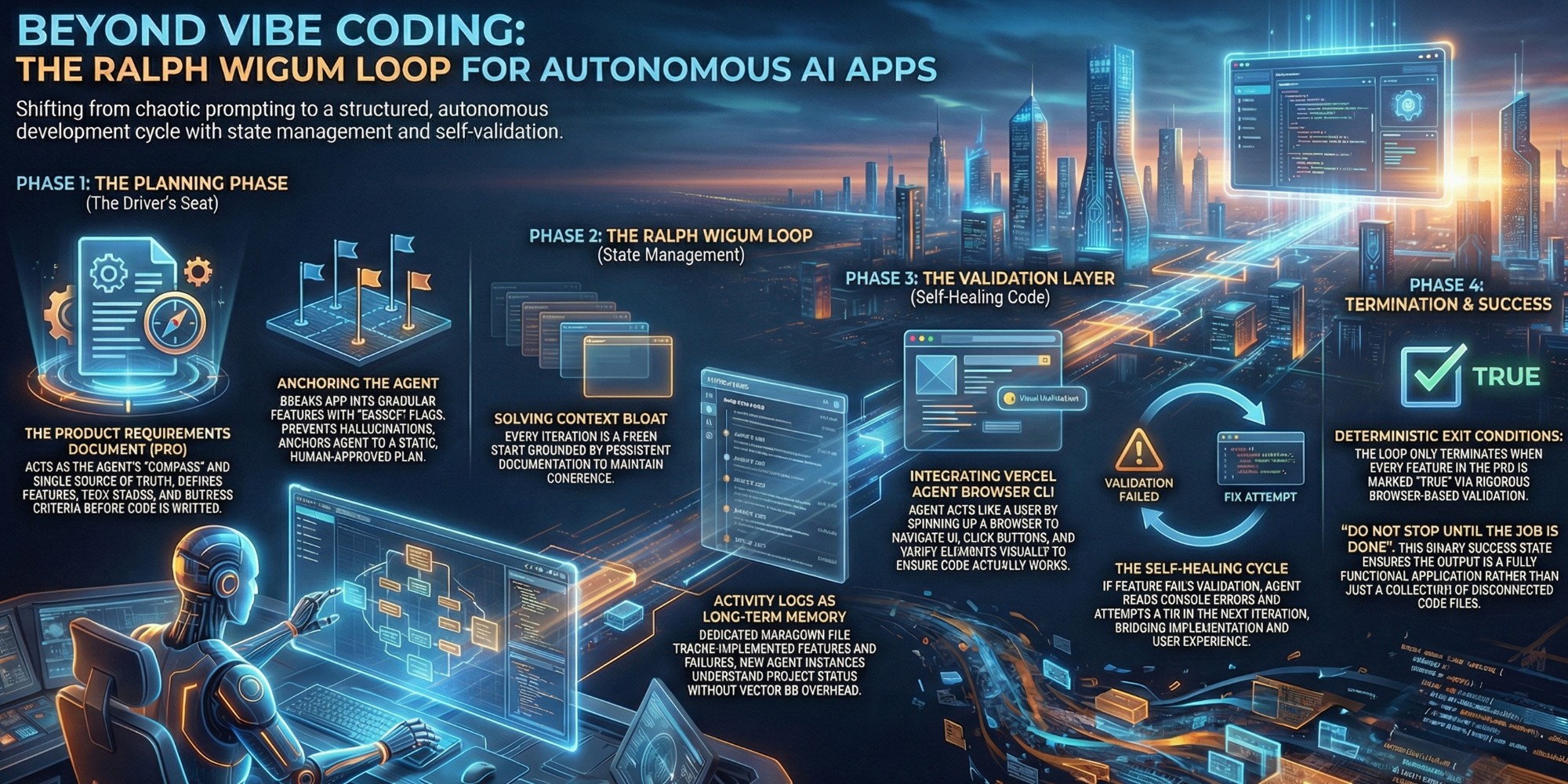
Writing code is easy; verifying it is hard. **Vercel's Agent Browser** gives AI the ability to "see" and "click." It converts webpages into clean accessibility trees, allowing an agent to deploy, open a browser, click "Sign Up," and verify the error message. If it fails, the agent reads the DOM, patches the code, and re-tests. The agent transforms from a generator into a self-correcting engineer.
Similarly, tools like the real-prototypes-skill extend this capability by allowing agents to build and validate working prototypes in real-time, moving beyond static code generation to functional application development. This creates a feedback loop where the agent isn't just writing code, but actively testing the software it builds.
The Tension: Security Risks

The 'ToxicSkills' Vulnerability
Democratization brings risk. With over 66,500 skills on SkillsMP, security is lagging. A 2026 Snyk audit found 36.82% of skills contained flaws, from hardcoded keys to prompt injection. Unlike a sandboxed package, an installed Skill often runs with the agent's full permissions. A malicious skill can exfiltrate secrets or inject backdoors. The barrier to entry has lowered, but the burden of due diligence has spiked.
The Context Window Paradox
More tools can make an agent "dumber." Flooding a 200k context window with dozens of tools creates "context pollution," degrading reasoning. The effective limit is often around 10 active MCP servers. The challenge isn't acquiring capabilities, but orchestrating them—loading context only when relevant.
Synthesis: Building a Governed Ecosystem
The Platform Engineer for Agents
The senior engineer's role is shifting to "Platform Engineer for Agents." The value is no longer in writing boilerplate, but in defining the synthetic team's boundaries. It involves curating high-quality `SKILL.md` files, configuring safe MCP access, and establishing quality control hooks. You manage the system that produces the code, not the code itself.
A Checklist for Secure Orchestration
1. **Least Privilege**: Restrict MCP server access. No production write access unless essential.
2. **Audit Skills**: Treat `SKILL.md` as executable logic. Version control and peer review it.
3. **Human-in-the-Loop**: Mandatory checkpoints for spending money or public deployments.
Conclusion
The **Claude Code MCP stack** isn't just an IDE upgrade; it's a fundamental restructuring of software development. We are moving from writing code to orchestrating intelligence. The competitive advantage in 2025 belongs to those who can best curate, secure, and compose these capabilities.
The question is no longer "Can AI write this?" but "Have you built the infrastructure to let it?" Don't just hire more juniors—audit your agent stack.
Frequently Asked Questions
What is the difference between Agent Skills and MCP?
Skills are the training (procedural knowledge). MCP is the interface (connectivity). A skill tells the AI how to design a schema; an MCP server gives it the connection to execute the migration.
Is this ecosystem secure for enterprise?
Caution is required. While tools like Context7 reduce risk, the broader ecosystem is volatile. Treat third-party skills with the same rigor as open-source dependencies. Strict governance is non-negotiable.
How does 'context pollution' affect performance?
Too many active tools crowd the context window, confusing the model. Limit active MCP servers (ideal <10) and use orchestration tools to load context dynamically.
Stay in the loop
Get notified when I publish new articles and projects.