What Amazon Kiro Crew Means for Async Agents
Kiro Crew is AWS Kiro's open-source async agent workspace: schedules, memory, approvals, and audit logs so coding agents keep working after you leave.

Kartikay Dhar writes here about AI agents, product strategy, and enterprise systems. The essays come from shipping generative AI products at Sprouts.ai in Bengaluru, and only published posts are listed.

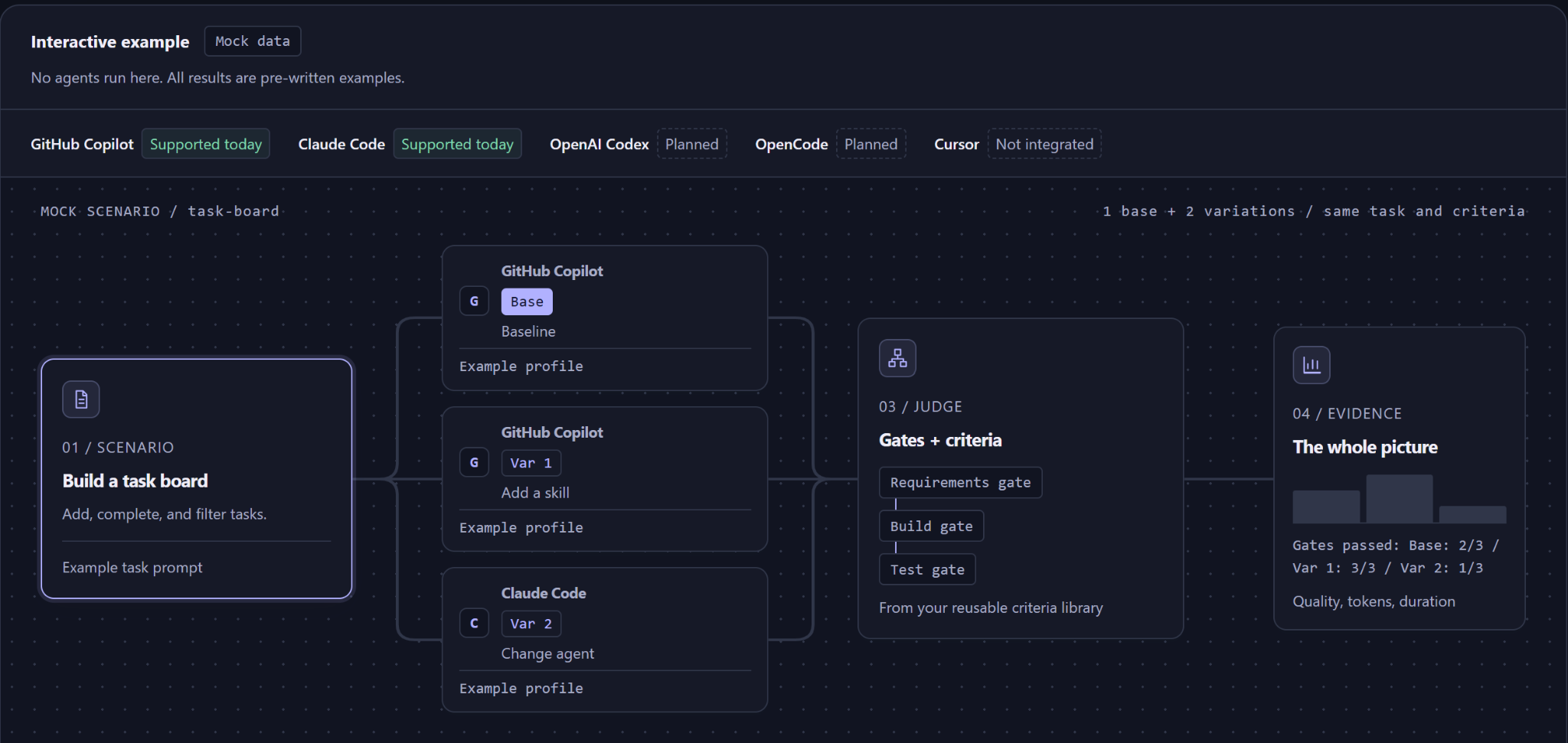
Set up Microsoft's open-source Scope platform, run a coding-agent evaluation, define criteria, and inspect failures in API integration tasks.

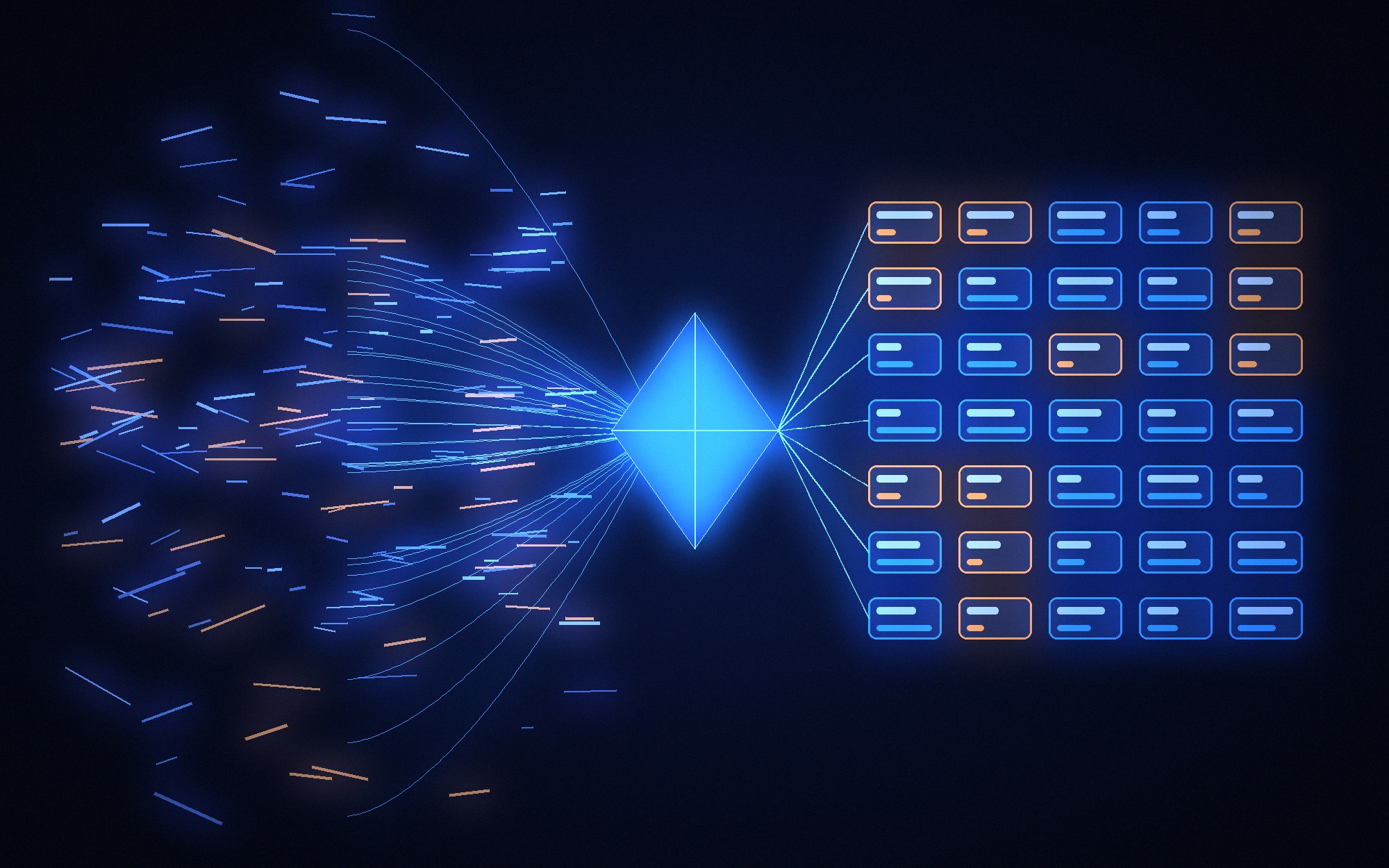
Cloudflare Clairic is a Workers AI model that pulls typed values, estimates and forecasts from messy text, with confidence scores, for $0.10 per million tokens.

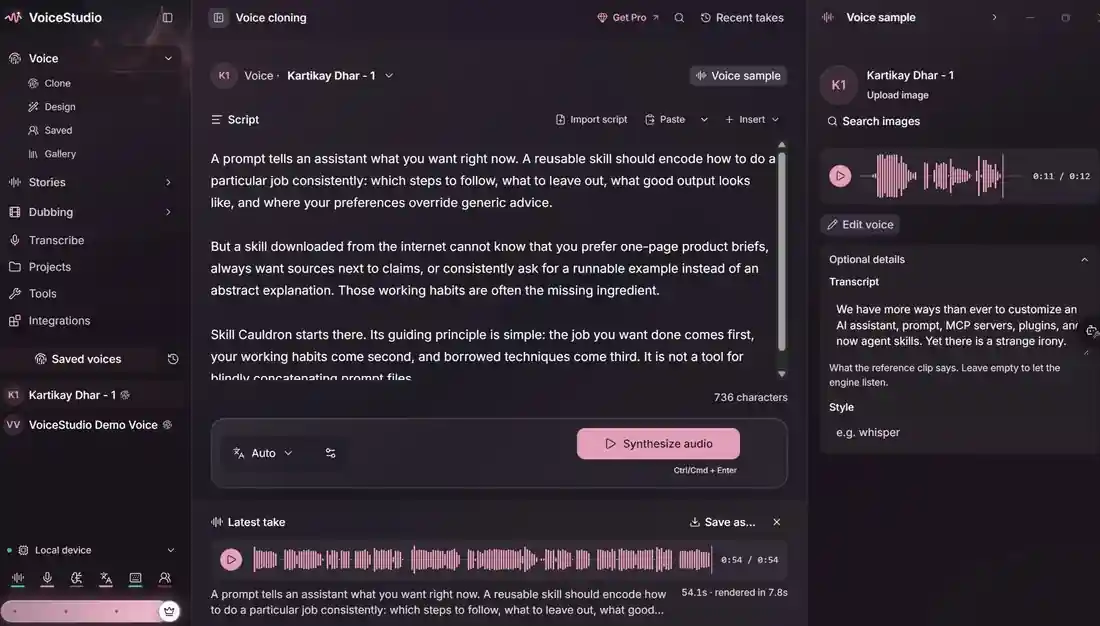
Set up VoiceStudio speech-to-text and MCP, then turn a sample sales-call transcript into reviewable GTM signals.

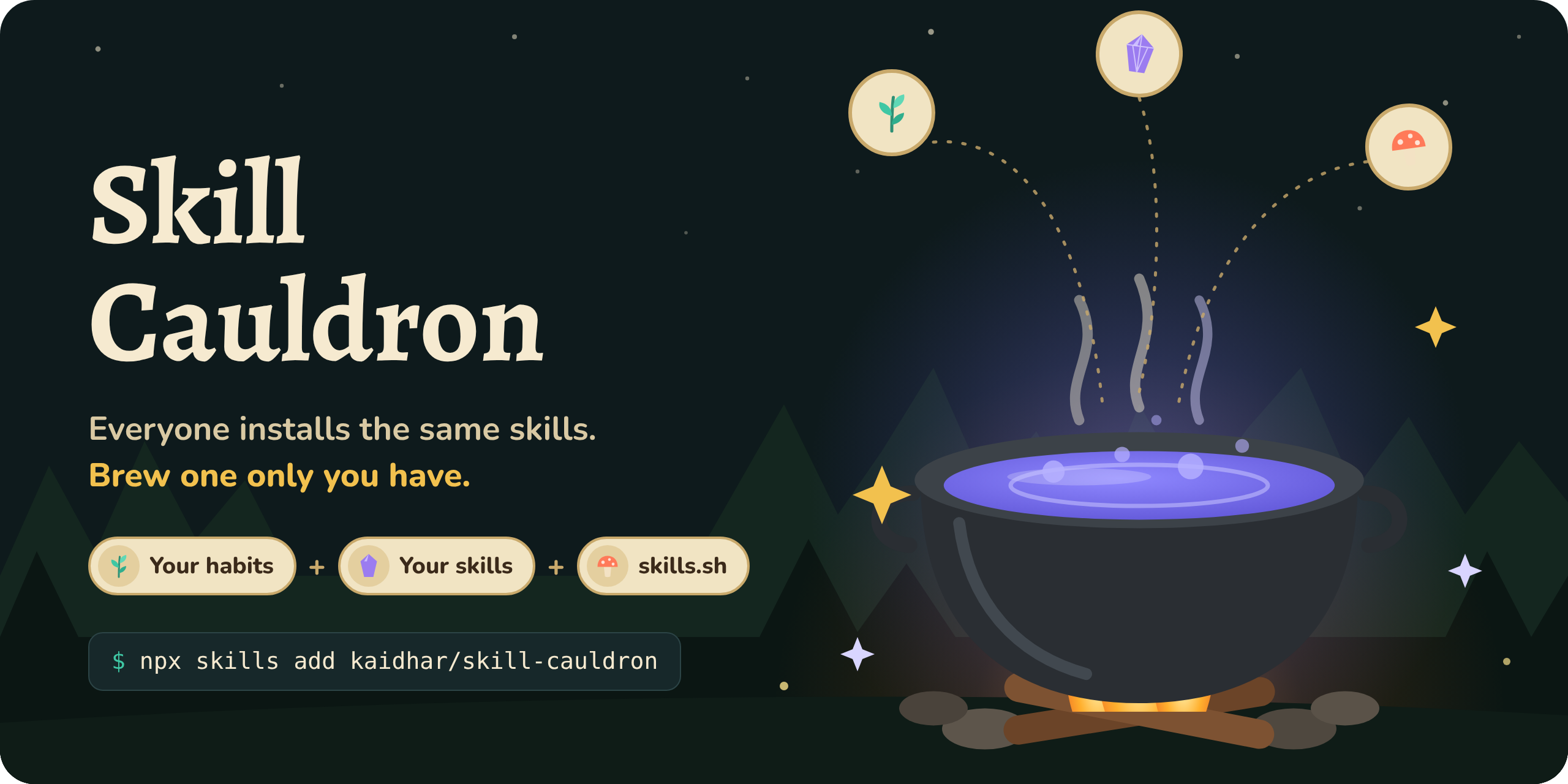
I built Skill Cauldron to turn your work habits, installed skills, and skills.sh discoveries into one focused Claude skill—with a blind taste test and a reusable recipe card.

Install Hallmark for Claude Code or Codex, review a realistic frontend demo, and learn which AI-built website checks still need browser verification.

NVIDIA OpenShell is an open-source Rust runtime that sandboxes AI agents and enforces YAML policy at the kernel. Here is how it works and what it locks down.

OpenAI's Decisions API, TypeSafe's Jev, open-source Laya and Cloudflare's Clef all return typed decisions. Here's how they compare on price, inputs and hosting.

Anthropic donated Agent Skills to the Linux Foundation's Agentic AI Foundation. What the SKILL.md standard is, who maintains it now, and what changes for teams.

Claude Duet is Anthropic's proactive agent: morning briefs, background work and approval before it acts. What it gets right, and what revenue agents still need.

YC open-sourced QM, the agent harness it uses internally. Here's how scoped memory, sandboxes and approval modes let one agent setup serve a whole company.

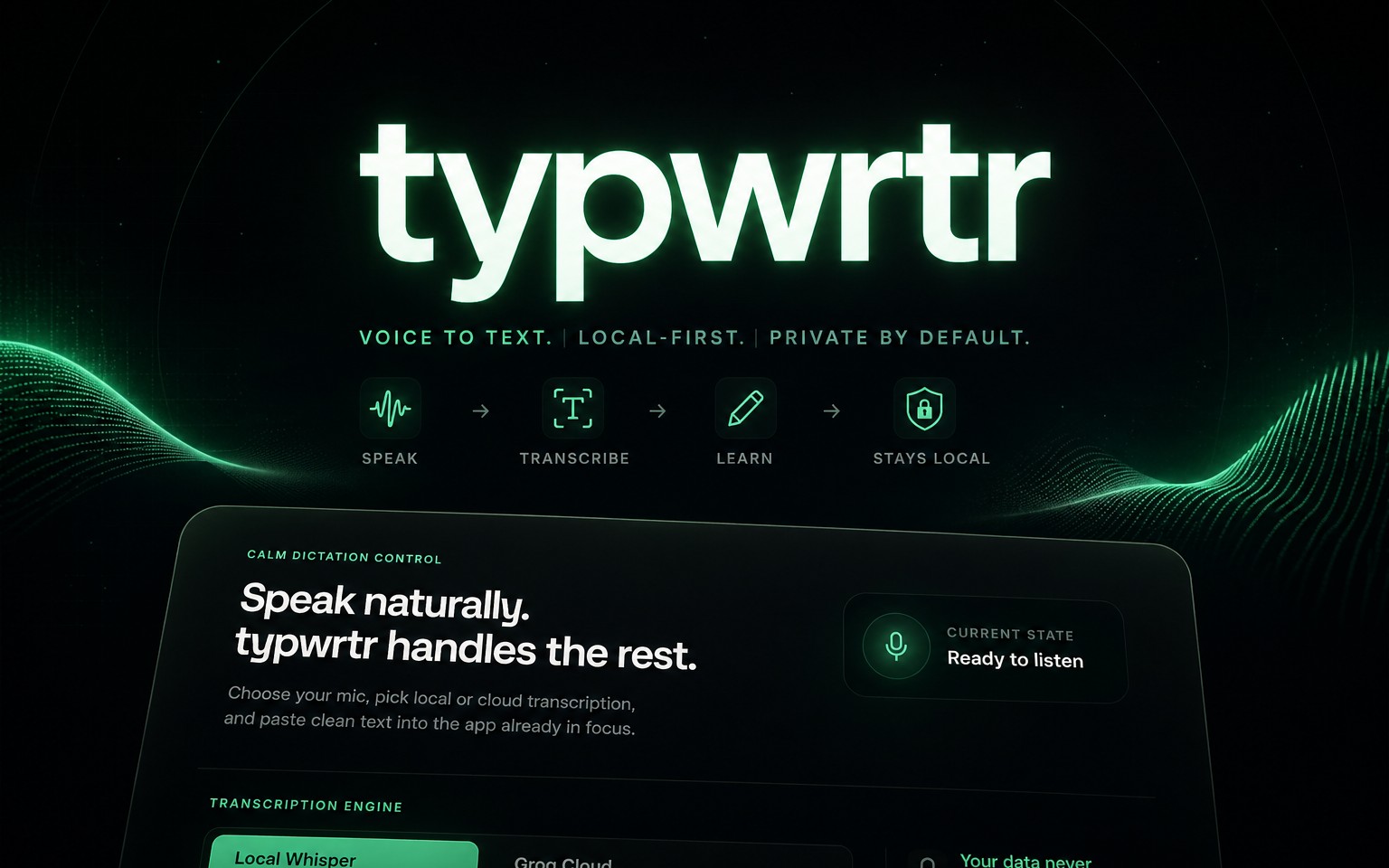
A new category of voice dictation is emerging: local-first, GPU-accelerated, and actually learns from your edits. typwrtr runs entirely on your machine, improves after every correction, and never sends your audio or text to the cloud.

The Web Model Context Protocol (WebMCP) is a browser standard that enables websites to expose structured 'tool contracts' to AI agents. Instead of forcing agents to visually scrape screens to identify buttons and fields, WebMCP provides a logical API layer. This allows agents to interact with websites through defined functions and JSON schemas, resulting in faster, cheaper, and more reliable autonomous actions compared to traditional fragile screen-scraping methods.

Until 2025, the bottleneck wasn't model intelligence—it was isolation. GitHub Copilot saw your code but not your logs. ChatGPT wrote SQL but couldn't see your schema. Developers became glorified data routers, manually bridging the gap. This "interoperability gap" crippled even the smartest models. They lacked the sensory input to understand the system's state. The **Model Context Protocol (MCP)** and **Agent Skills** standard have solved this, creating a universal language for tools to expose their capabilities to AI without bespoke integration.

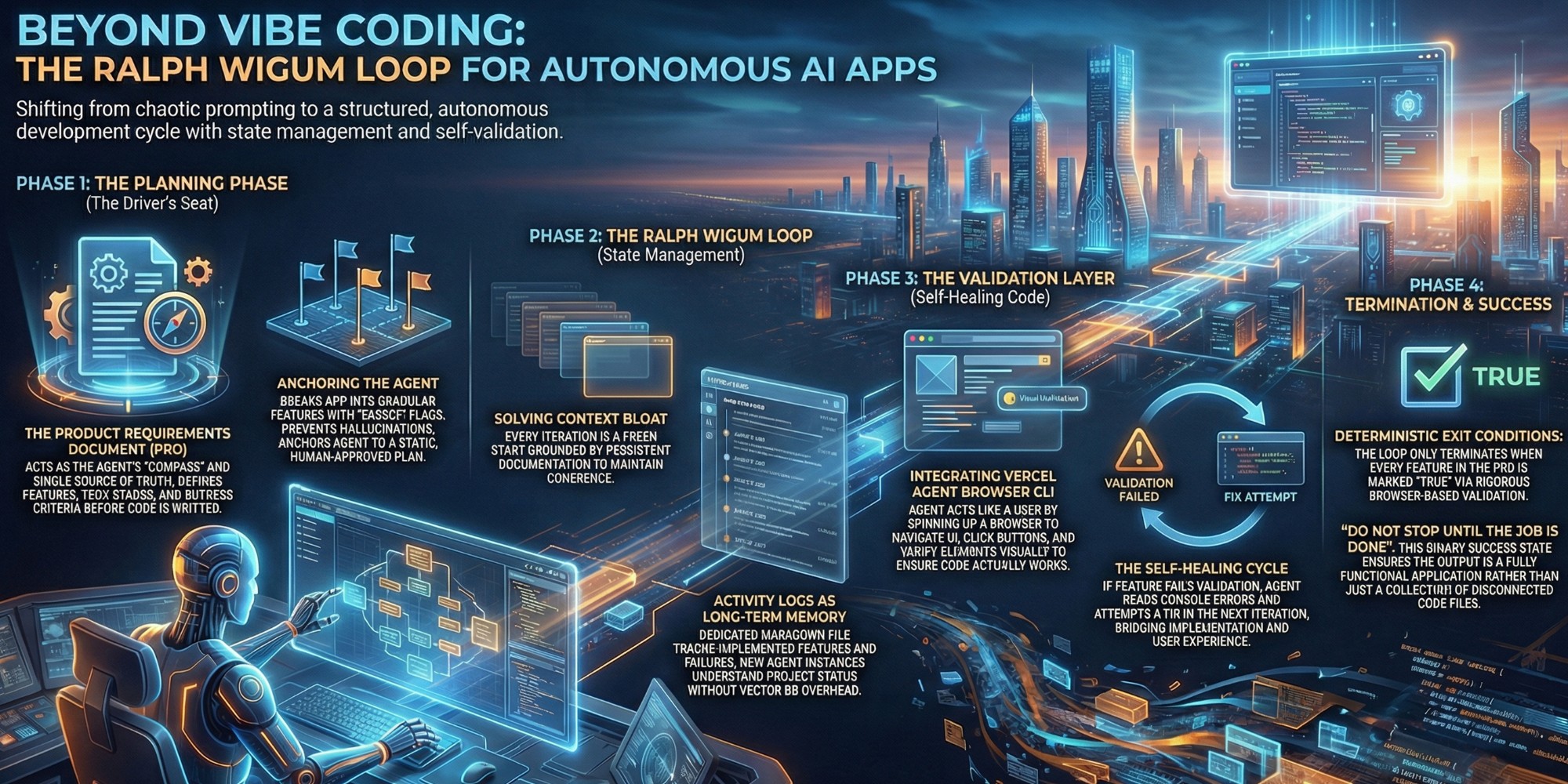
How to make your vibe coded app work.

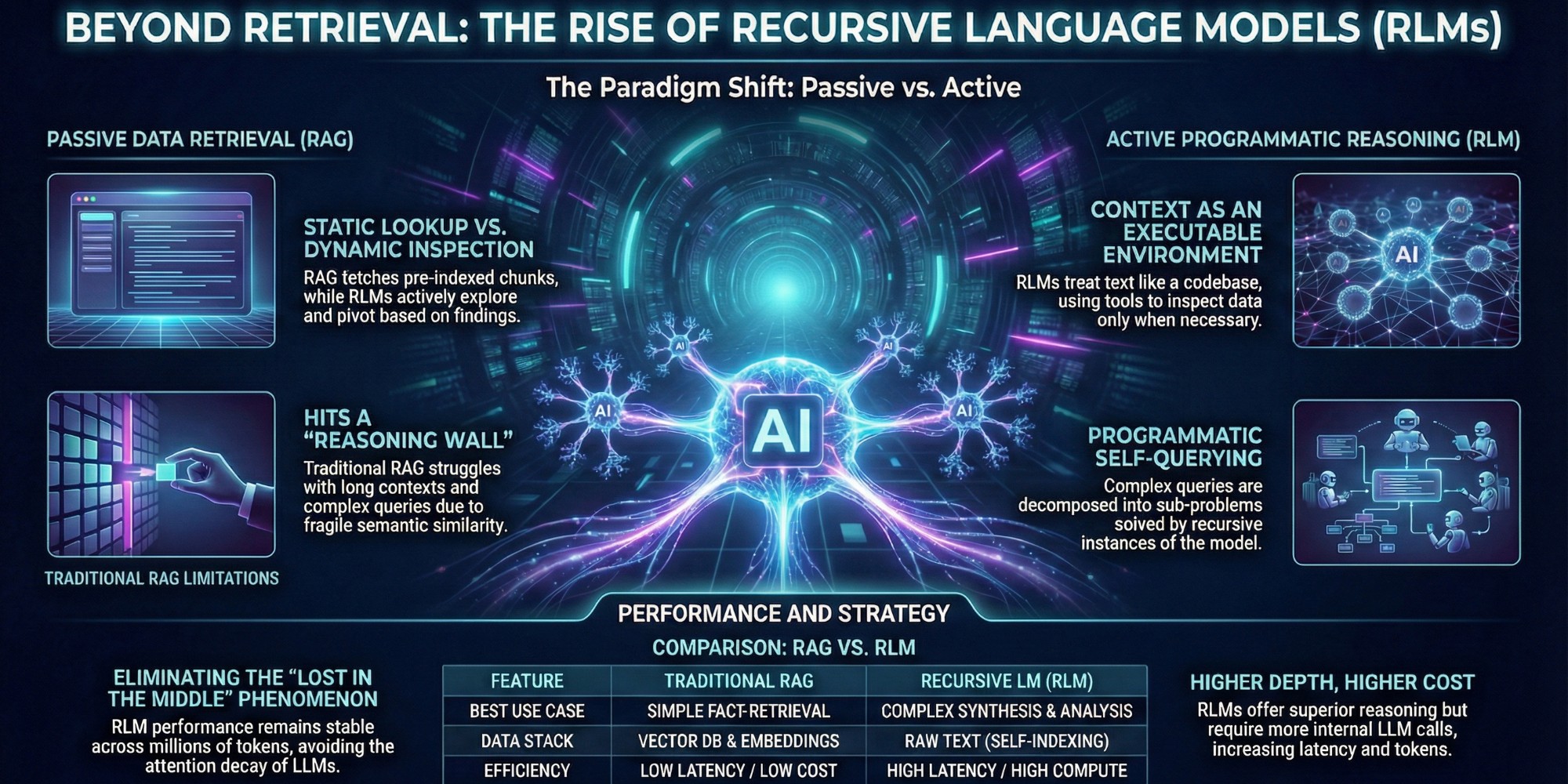
A New Paradigm for Scaling LLM Context Without RAG
The blog is where Kartikay Dhar publishes essays and notes on AI agents, product strategy, and enterprise systems. The pieces come from shipping generative AI products at Sprouts.ai in Bengaluru.
A post shows up here only after it is published. The same rule keeps drafts out of the sitemap, the feed, and the Markdown copy of each post.
He writes about AI agents, product strategy, and enterprise systems, drawing on work shipped at Sprouts.ai in Bengaluru.
Only posts with a publish date. Unpublished drafts are not linked from this page.
Kartikay Dhar, Director of Product, AI at Sprouts.ai.